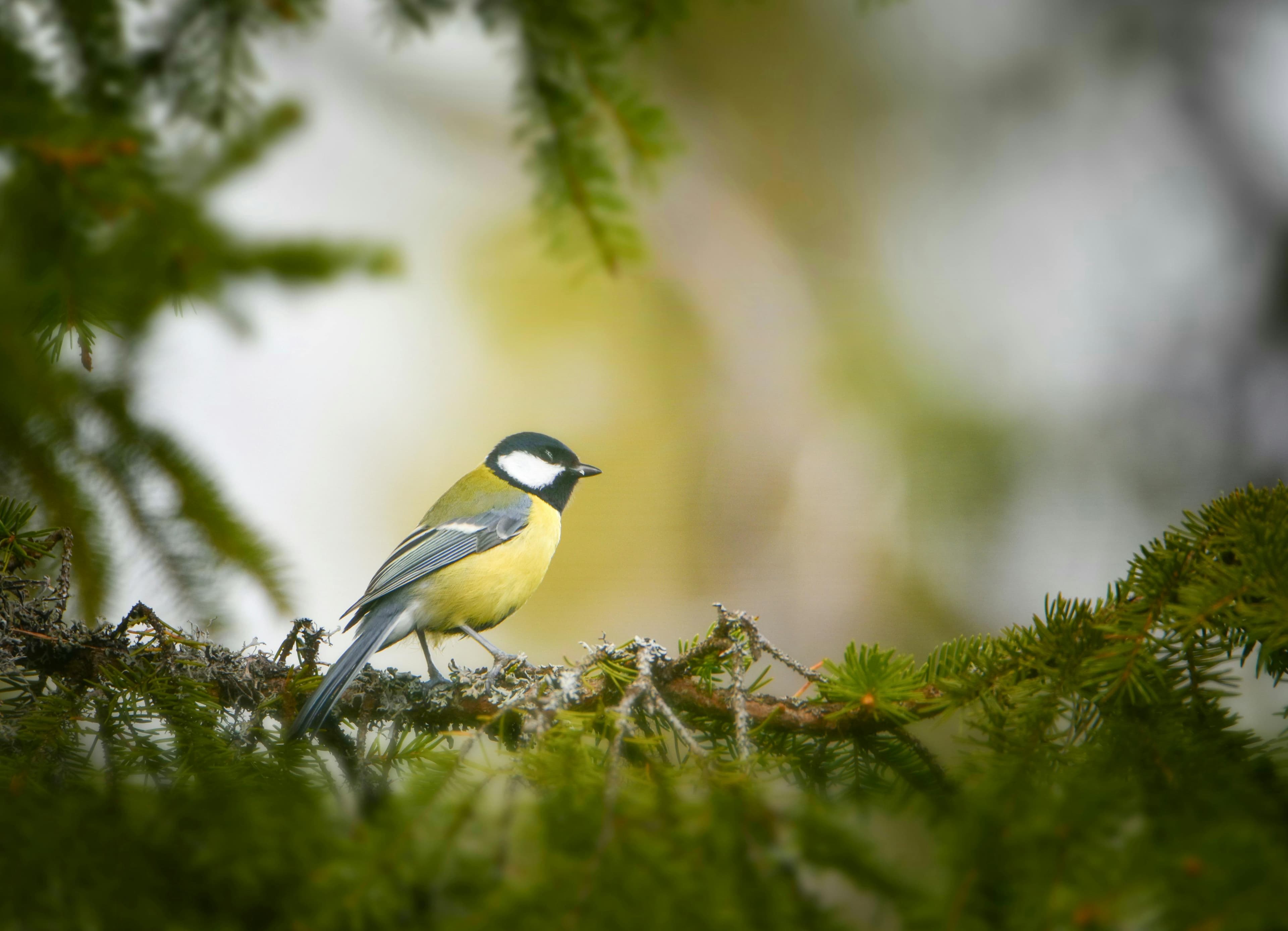
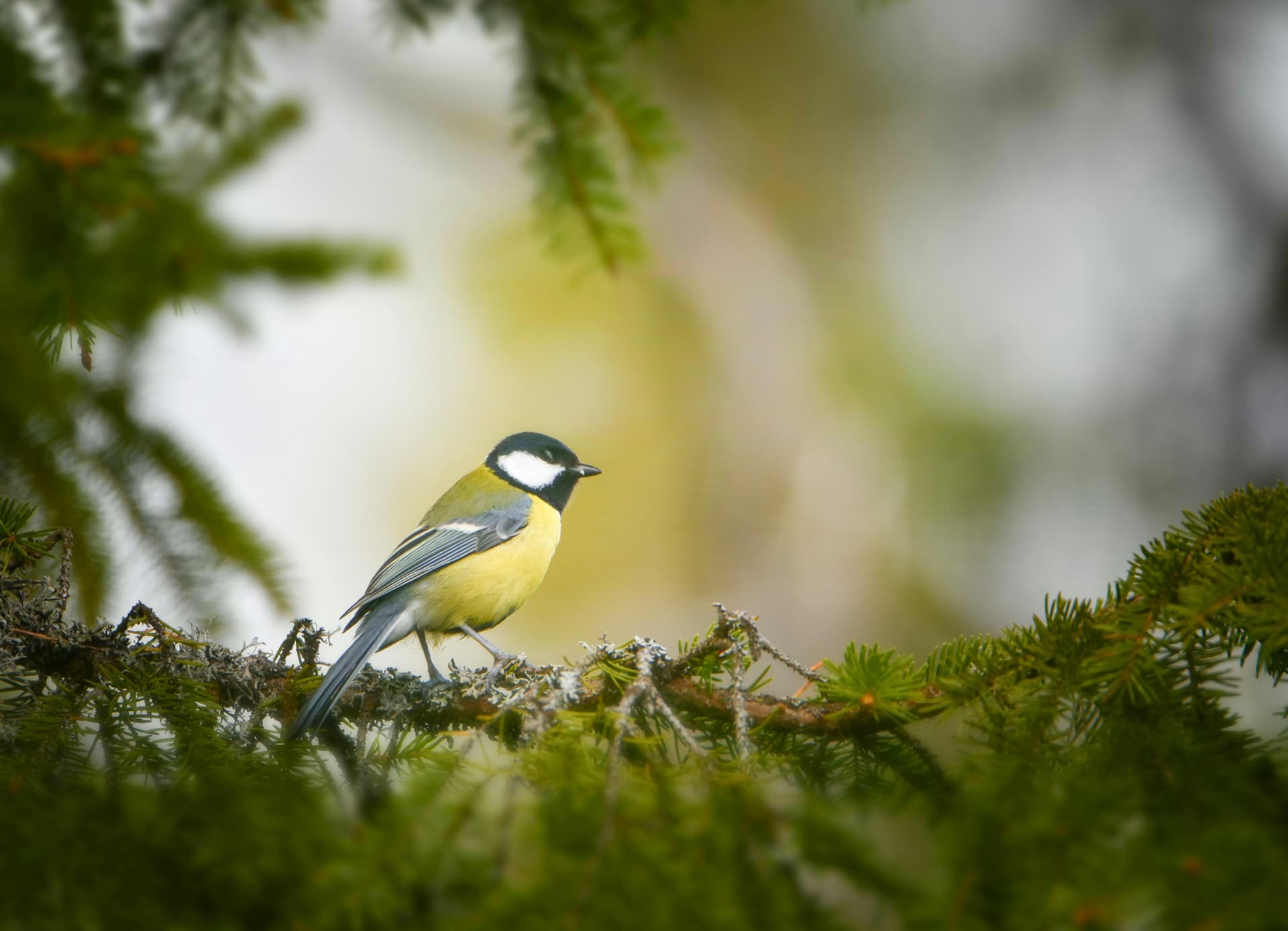
The wildlife conversation in India stays on the tigers. Understandably, the tiger is the flagship, the reserve system was built around it, the morning safari produces the specific adrenaline of a large predator moving through open terrain that nothing else in Indian wildlife replicates.
But the person who goes to Corbett for the tiger and notices the great hornbill in the sal canopy, or the person who goes to the Rann of Kutch for the flamingos and stays for everything else, this person has found what serious bird watching in India actually is. Not the incidental sighting. The deliberate pursuit of a country whose avian diversity puts most of the world's birding destinations to secondary status.
1,300-plus species. The Himalayan zone, the Western Ghats, the Northeast's biodiversity corridor, the coastal wetlands, the Thar Desert, five entirely different ecological systems producing five entirely different bird assemblages. The Indian subcontinent is one of the most significant birding destinations on the planet and the international birding community knows this considerably better than the Indian domestic tourism market does.
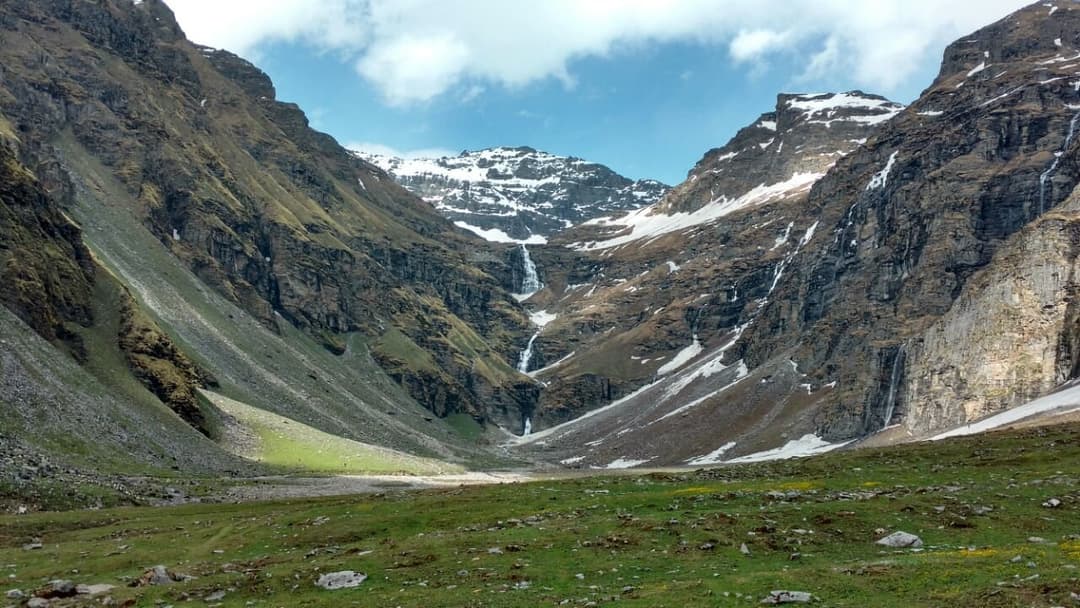
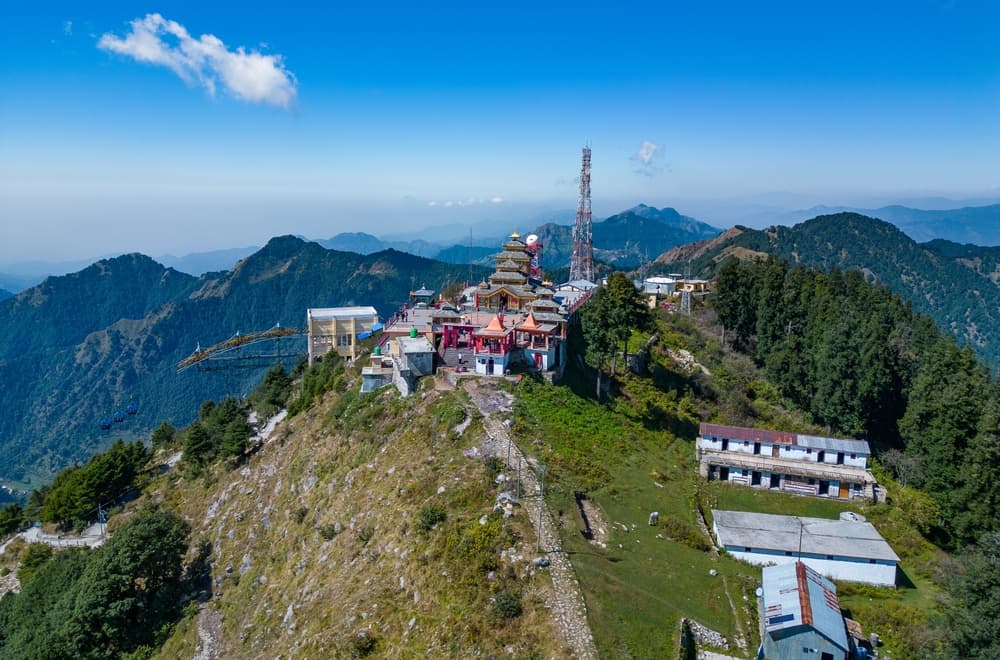
The Himalayan zone first. Uttarakhand's Pangot village near Nainital, the mixed oak and rhododendron forest that 580-plus recorded species use as habitat. The khalij pheasant, the cheer pheasant, the Himalayan barbet, the various laughingthrush species that the mixed forest produces in morning concentrations that organised birding tours specifically target. The early morning walk from Pangot produces a species count that birders from Europe and North America specifically travel for.
The Northeast corridor. Eaglenest Wildlife Sanctuary in Arunachal Pradesh, perhaps the single most significant bird watching destination in India for the serious lister. The altitudinal range from 500 to 3,000 metres produces the species diversity that the elevation gradient creates when the forest is intact. The Bugun liocichla, discovered in 2006, found essentially only here, is the specific endemic that drives the international pilgrimage to a sanctuary most Indian travellers have never heard of.
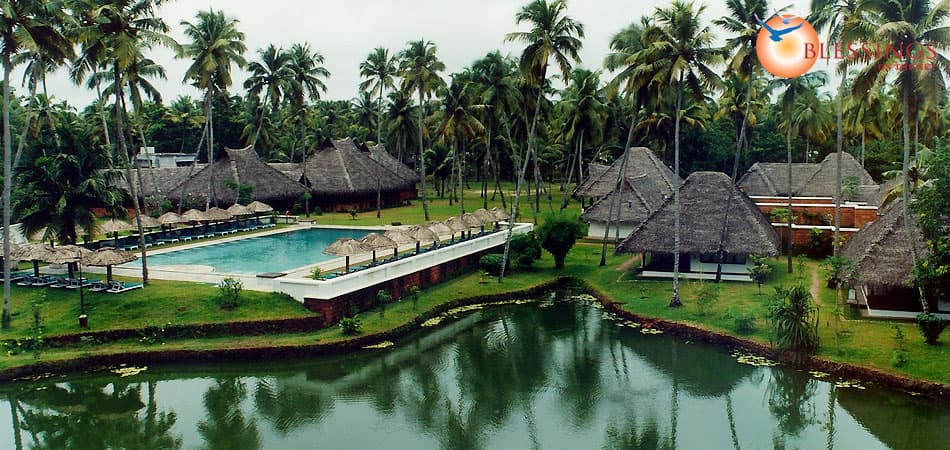
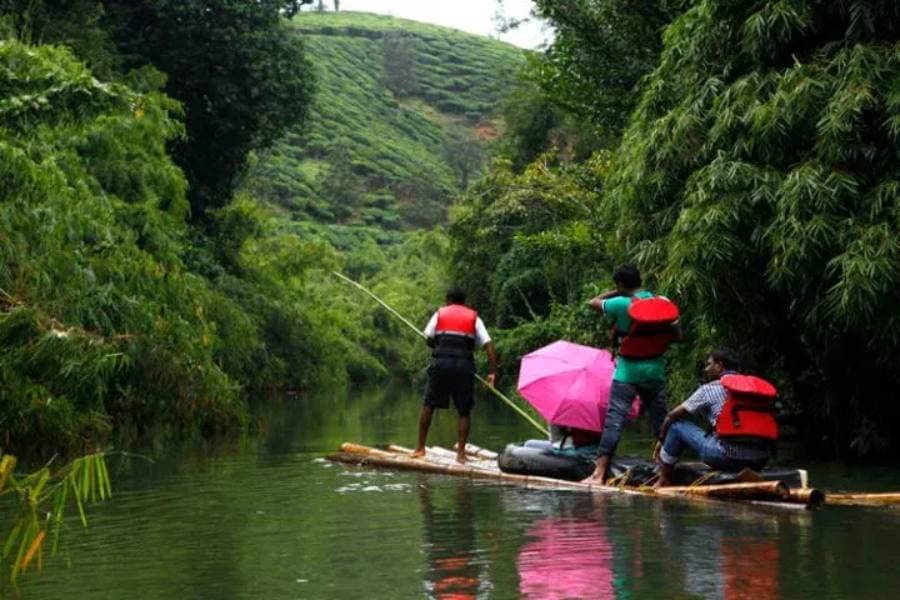
The Western Ghats. The Thattekad Bird Sanctuary in Kerala, the reserve that Salim Ali called the richest bird habitat in peninsular India. The Malabar trogon, the Sri Lanka frogmouth, the Kerala laughing thrush that the specific Ghats ecosystem produces and that no other Indian region carries. The morning mist over the forest before the birding begins.
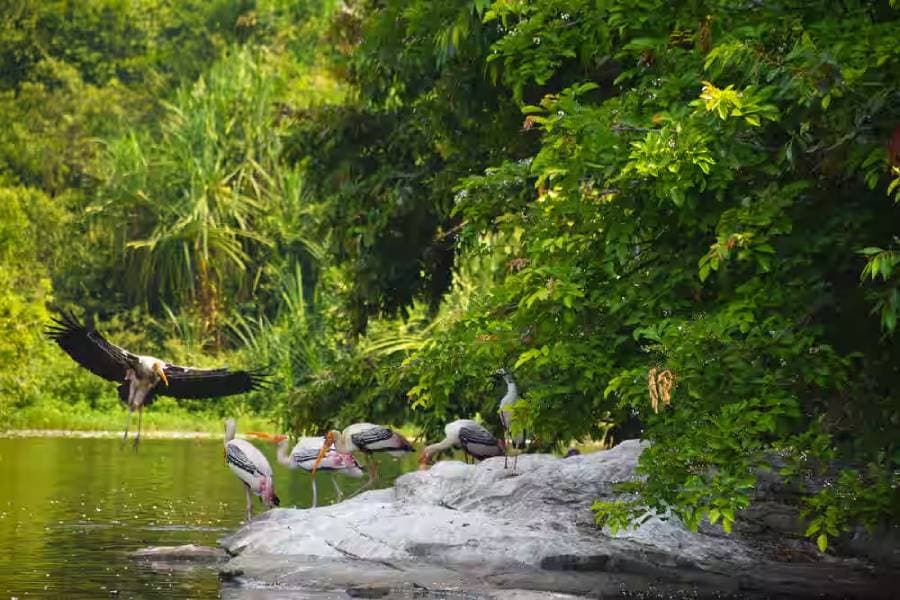
The former duck-hunting preserve of the Bharatpur maharajas that became the most significant bird sanctuary in mainland Asia. The Keoladeo wetland, 29 square kilometres of marshland, woodland, and grassland, hosts over 370 recorded species, the winter resident and migratory populations combined producing a species density that overwhelms the first-time visitor. October through February specifically, the painted storks nesting in the woodland, the bar-headed geese overhead, the historically significant Siberian crane wintering here before the population collapsed. A day between Agra and Jaipur covers Bharatpur correctly; the birder who allocates two days leaves with a list rather than a sample.
Salim Ali called it the richest bird habitat in peninsular India. That assessment has not been significantly challenged since. The Thattekad Bird Sanctuary in Ernakulam district sits in the semi-evergreen and moist deciduous forest between the Periyar River's two tributaries, the forest structure producing the interior species that the open landscape doesn't carry. The Malabar trogon, the Sri Lanka frogmouth, the Kerala laughingthrush, the rare Spot-bellied Eagle Owl. The morning mist over the forest before the birding begins is the specific Thattekad quality, the reserve small enough to walk without a vehicle, the habitat dense enough that the species per hour count consistently exceeds what the larger, more famous sanctuaries produce.
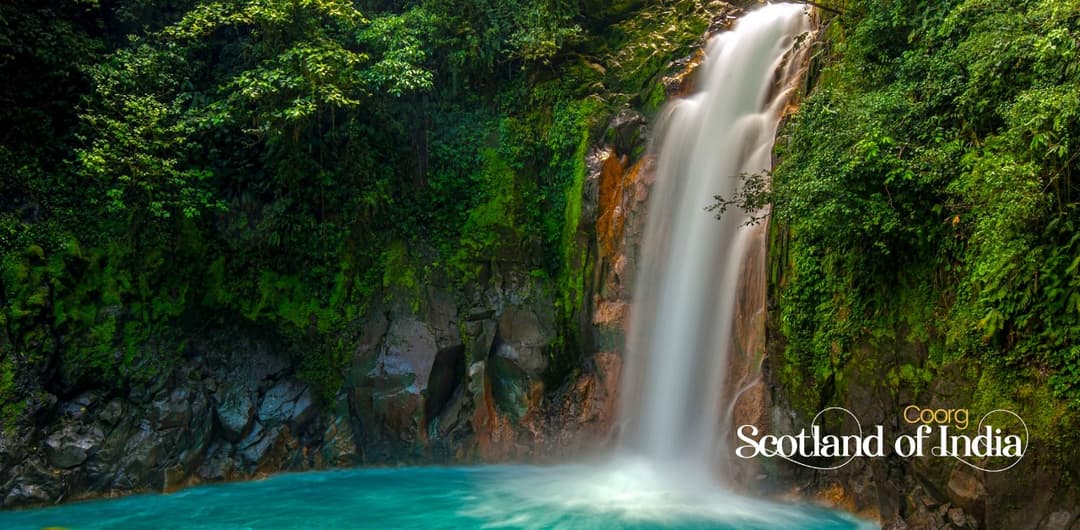
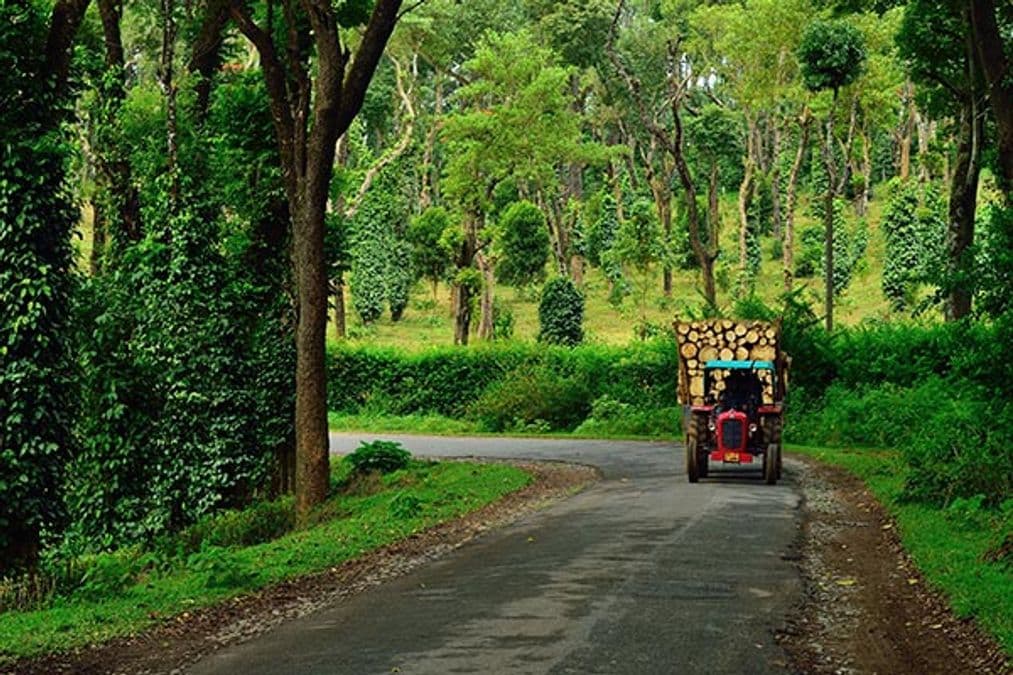
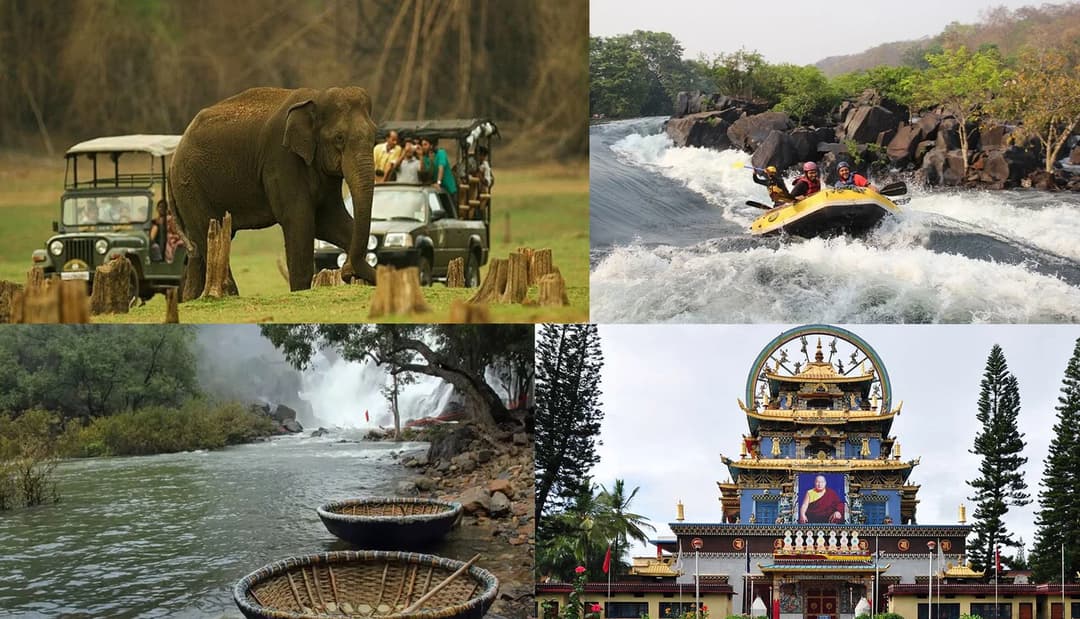
Coorg sits in the Western Ghats corridor and the birding here is specific to the coffee and cardamom estate ecosystem, a combination of forest, cultivation, and river habitat that produces a bird assemblage different from the pure forest reserves further south. The Malabar whistling thrush along the Cauvery tributaries. The great hornbill in the larger fig trees on the estate edges. The brown fish owl at dusk over the Harangi and Cauvery rivers. The specific advantage of Coorg for birding is the estate setting, coffee estates with old-growth shade trees hold species that cleared agricultural land doesn't, and walking an estate in the early morning produces sightings that designated sanctuary visits don't always deliver. Nagarhole National Park under 60 kilometres adds the forest interior species, the painted stork at the Kabini reservoir, the Malabar giant squirrel overhead.
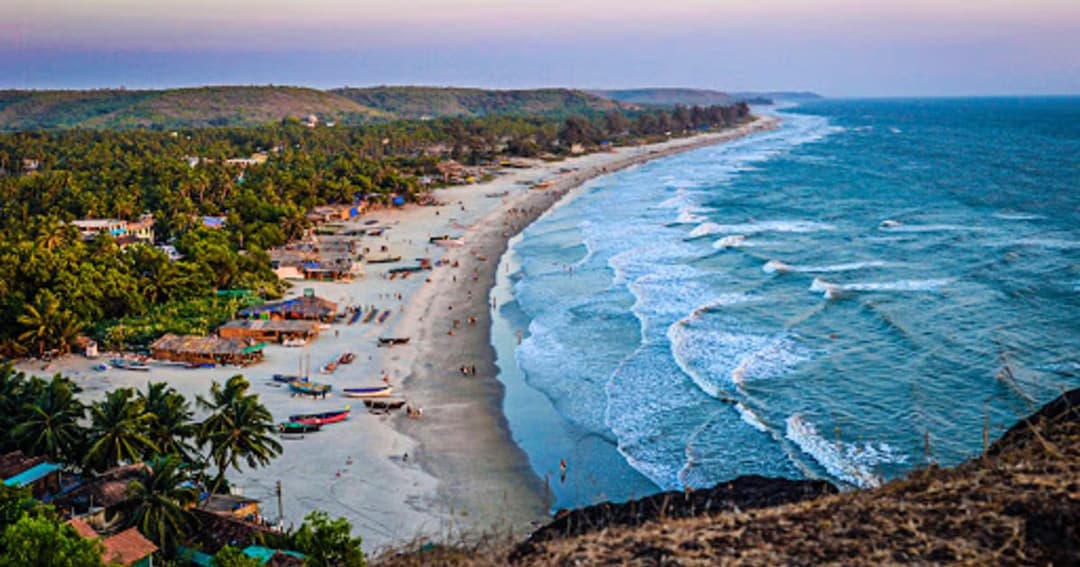
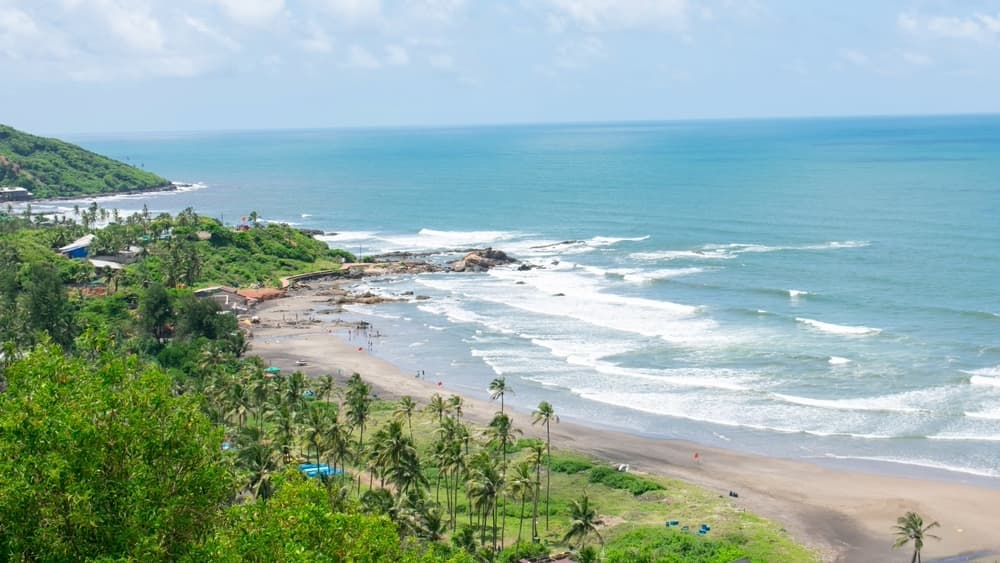
The beach reputation conceals it. Goa has over 450 recorded species, the Western Ghats forest in the eastern talukas, the coastal wetlands, the estuaries and mangroves that the Mandovi and Zuari rivers produce, and the agricultural and open country of the midlands all contributing distinct assemblages. The Bhagwan Mahavir Wildlife Sanctuary and Mollem National Park in the east carry the Ghats forest species, the Malabar pied hornbill, the Crested Serpent Eagle, the Indian Pitta during the monsoon. The Carambolim Lake near Ponda for the winter waders and waterfowl. The Salim Ali Bird Sanctuary on Chorao Island in the Mandovi, the mangrove forest named after the ornithologist who worked here, the kingfishers, the herons, the specific estuarine species the tidal vegetation sustains.
Bird watching in India has a winter dimension that the summer season doesn't replicate.
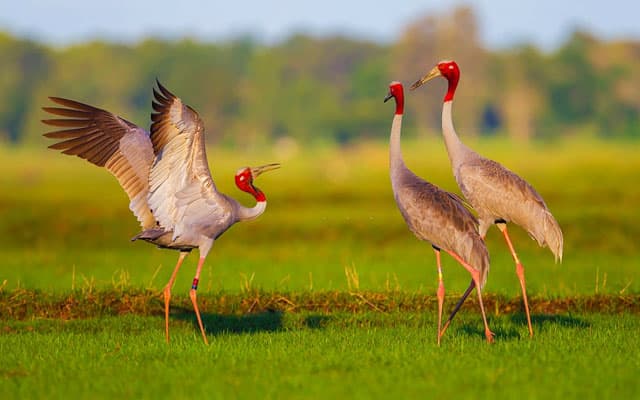
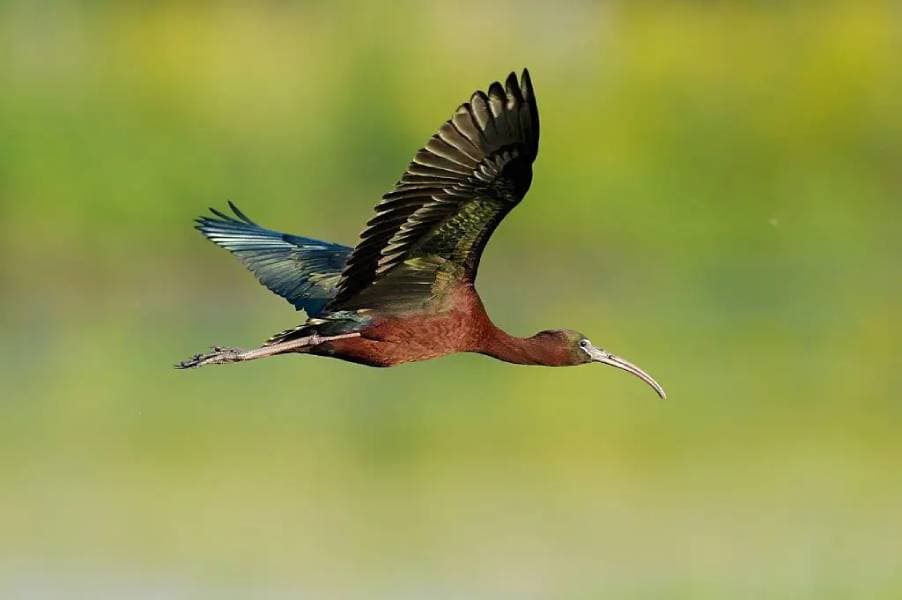
The migratory species arrive between October and March, the Siberian cranes, the greater flamingos at the Rann of Kutch, the bar-headed geese crossing the Himalayas at altitudes that physiology textbooks struggle to explain. The Keoladeo Ghana National Park at Bharatpur in Rajasthan, the former duck-hunting preserve that became the most significant bird sanctuary in mainland Asia, the Siberian crane's historical wintering ground.
Chilika Lake in Odisha, Asia's largest brackish water lagoon, the winter home for approximately one million migratory birds from Central Asia, Europe, and Siberia. The roost at dawn when the flamingos lift simultaneously from the shallow water in a movement that the lakeside observer watches from a boat at water level.
The irony of bird watching in India is that the best winter birding coincides exactly with the best weather for everything else, October through February is simultaneously the tiger safari season, the heritage travel season, and the migratory bird season. The traveller who allocates for only one of these is making a planning decision that the calendar doesn't require.
The equipment list is shorter than most beginners assume. Binoculars, 8x42 is the standard recommendation, enough magnification for the forest interior without the weight that makes the three-hour morning walk difficult. A field guide specific to the region, the Grimmett and Inskipp guide for India is the standard, the app-based alternatives functional for identification in the field.
The guide matters more than the equipment. The difference between a morning walk with someone who knows the bird calls, who stops before the bird is visible because the call has already identified the species and the location, and a morning walk without this knowledge is the difference between 40 species and 8. India's birding guide community is excellent and underutilised.
Dawn is when it happens. The first two hours after sunrise produce the majority of the activity. The birder who arrives at the sanctuary at 9 am is working with the quieter half of the morning. The one who is at the forest edge at 5:30 am finds the version that makes the alarm worthwhile.
Bird watching in India is available to every traveller who has already planned an Indian trip for other reasons. The Corbett tiger safari takes the morning. The great hornbill takes the afternoon. The Pangot forest walk takes the hour before the Nainital sightseeing begins. The Bharatpur stop takes the day between Agra and Jaipur.
The birds have always been there. They were there on every previous India trip. The traveller who starts looking finds a country that is simultaneously the same destination and an entirely different one.